
A unique archaeological discovery has recently brought the spotlight to İznik in north‑western Turkey. In a burial chamber dating back to the 2nd century, archaeologists have uncovered an exceptionally well‑preserved depiction of “The Good Shepherd” — one of the most important symbols in early Christianity. The find, which was presented during a visit by Leo XIV, is regarded as one of the most significant contributions to the understanding of early Christian iconography in Anatolia and reinforces İznik’s role as a spiritual centre in the early history of Christianity.
The discovery is part of a broader context. Turkey is home to some of the most significant sites in Christianity and offers unique pilgrimage routes where history, faith and culture come together. One of the most iconic is the route of the Seven Churches of Revelation, located in today’s regions around İzmir, Manisa and Denizli. According to tradition, the Apostle John received his messages to the early Christian communities here — texts that still shape Christian belief today.
A Journey Through History, Faith and Reflection
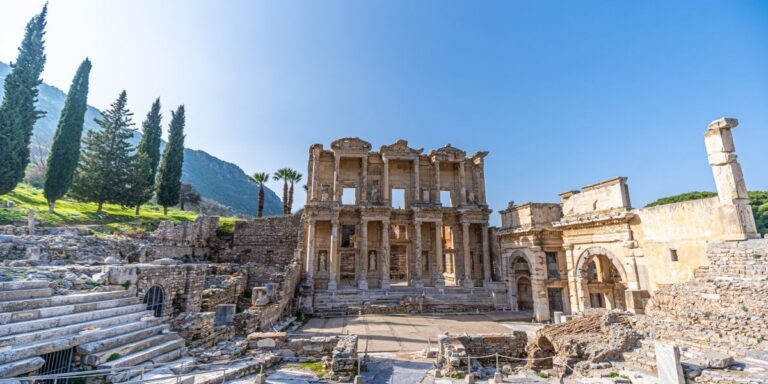
Along this route, travellers encounter ancient cities such as Ephesus, where Christianity took early root and where, according to tradition, the Virgin Mary spent her final years. In Pergamon and Sardis, monumental ruins coexist with vibrant modern towns, while Laodicea reflects the region’s importance as a religious centre during Roman times. Nearby, the white terraces of Pamukkale stretch across the landscape, enhancing the sense of tranquillity and contemplation.
Together, these places tell the story of how the Christian faith took shape. Travelling through Turkey is therefore not only a cultural experience, but also a spiritual journey through the earliest landscapes of Christianity — especially meaningful for those seeking deeper reflection, inspiration and a different way to connect with the message of Christmas.